The bob has always been and always will be a classic, but recently this icon has transformed into a trend-forward salon staple. The details created within this shape are what make each version feel different. And two of the most requested versions right now are the Italian bob and the French bob. While both are short, chic and easy to wear, they create two very different finishes.
The difference comes down to length, shape, fringe, texture and where the weight sits. A French bob is shorter, more textured and usually paired with a brow-grazing fringe. An Italian bob is fuller, heavier and more one-length, with the weight and volume sitting closer to the chin or slightly below.
If you’re deciding which bob to ask for, here’s how to tell the difference.
INDEX
What Is a French Bob?
A French bob is designed to sit near the jawline and usually has a fringe that hits around the brow area. It is shorter than a chin-length bob, with ends that slightly curve in toward the chin.
This cut is known for framing the face, especially long or heart-shaped face shapes. And while the French bob has roots in France dating back to the 1890s, today’s version feels more modern with blunt edges and heavy organic texture.
This look is chic, short and a little undone. It still has structure, but it doesn’t feel overly polished. The brow-length fringe, curved shape and textured finish are what give the French bob its signature look.
What Is an Italian Bob?
The Italian bob is a one-length bob with heavy ends that sit at the chin or slightly below. Fringe is optional depending on the final shape you want.
The Italian bob is defined by its heavier, full, chunky perimeter and lack of layers and the weight and volume sit at the ends, creating detail around the chin area.
Compared to the French bob, the Italian bob feels fuller and more substantial. It has a stronger perimeter, less layering and a polished shape that can be styled smooth, waved, flipped or beveled at the ends.
Italian Bob vs. French Bob: Key Differences
The easiest way to understand the difference between an Italian bob and a French bob is to look at the shape.
A French bob is shorter, sits near the jawline and often above the chin. It is usually paired with a fringe and has ends that curve slightly inward toward the chin. The finish is blunt but textured, with an organic feel.
An Italian bob sits at the chin or slightly below. It is more one-length, with a heavier perimeter and little to no layering. The shape feels fuller through the ends, which gives it that chunky, finish.
Which Bob Should You Ask For?
If your hair is naturally fine or you want a shorter cut that still feels airy, a French bob is a great choice because the shape is shorter, more textured and designed to frame the face. The fringe and soft finish can also help the cut feel less intense, especially if you like a bob that has movement rather than a heavy perimeter. To maintain the French bob, schedule trims every 6 to 8 weeks and refreshes more often if you opt for a fringe.
If your hair is thicker, fuller, or you like an edgier shape, the Italian bob may be a better choice. Because it is one-length with a heavier perimeter, it keeps more weight through the ends and creates that full, chin-grazing finish. It can also be a great option if you want a bob that you can air-dry or smooth. To maintain the Italian bob, schedule trims every 6 to 8 weeks to keep the perimeter looking sharp.
Be sure to bring images with you to your appointment and discuss your natural texture, density, and how you usually style your hair with your stylist. Because the right bob is the one that also works on your hair, style and routine.
How to Style a French Bob vs. Italian Bob
The French bob can be styled smooth or more natural. For a polished finish, blow dry with tension so the shape sits smoothly and the ends curve inward. For a more natural finish, use a diffuser to encourage texture and movement.
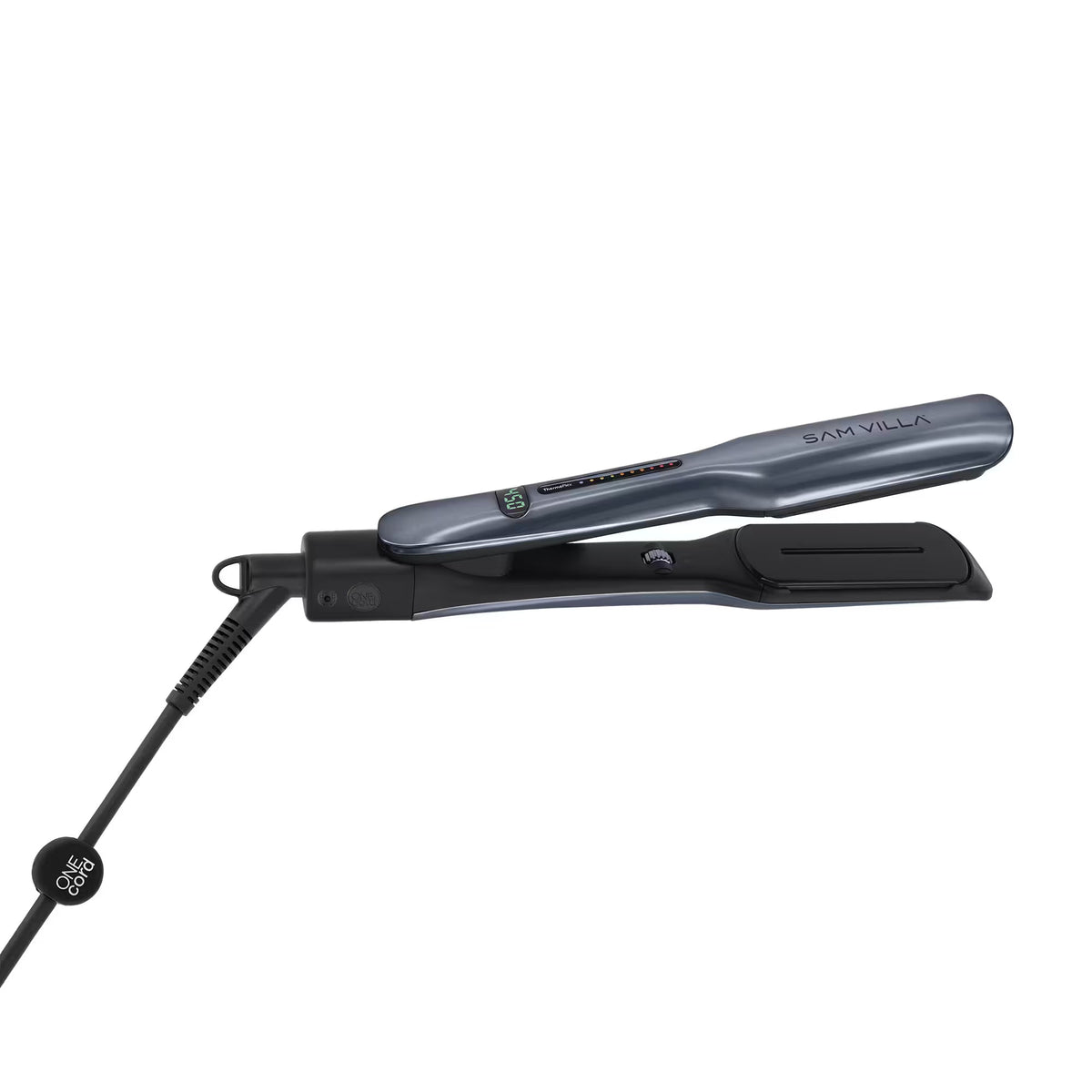
The Italian bob can be styled with looser texture, a flip or a smooth, shiny finish. For loose texture or a beveled end, the Sam Villa Pro Results 3-in-1 Blow Dry Hot Brush can help dry the hair while adding shape, polish and shine. For a smoother finish, use the Sam Villa SLEEKR Professional Flat Iron to smooth the hair or add a bevel.
FAQs: Italian Bob vs. French Bob
What is the difference between an Italian bob and a French bob?
The main difference is the shape and weight. A French bob is shorter, more textured and often paired with a brow-grazing fringe. An Italian bob is fuller, more one-length and has a heavier perimeter that sits at the chin or slightly below.
Is a French bob shorter than an Italian bob?
Usually, yes. A French bob is designed to sit short near the jawline and is often shorter than a chin-length bob. An Italian bob typically sits on the chin or slightly below.
Which bob is lower maintenance?
The Italian bob is low maintenance and can usually be styled with little effort. However, both cuts need the right shape for your hair texture and routine. The Italian bob and French bob usually need to be touched up every 6 to 8 weeks to maintain shape, but if you opt for a fringe, this will need to be touched up every few weeks.
Which bob is better for textured hair?
Both can work, but they create different results. The Italian bob has more weight through the perimeter, which can help control natural texture and keep the shape feeling fuller. The French bob has more movement, which can help enhance waves or curls if you want a softer, more textured shape. The best choice depends on whether you want to control your texture or enhance it.