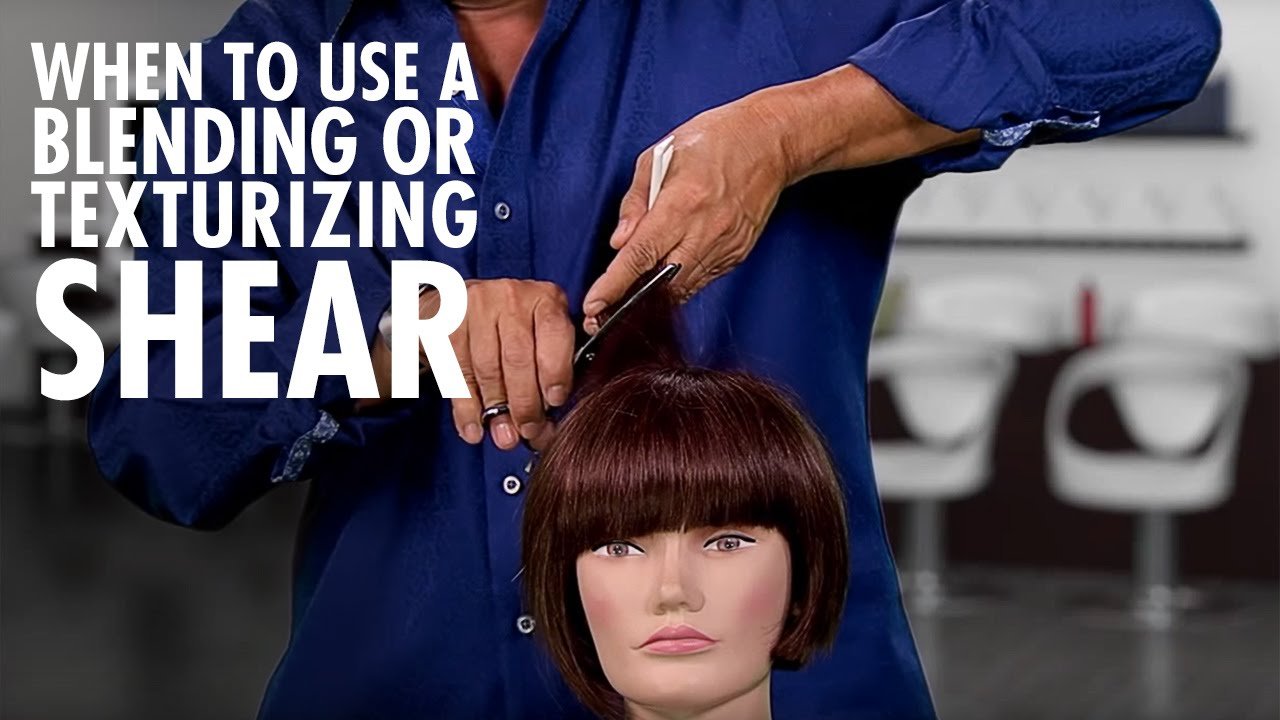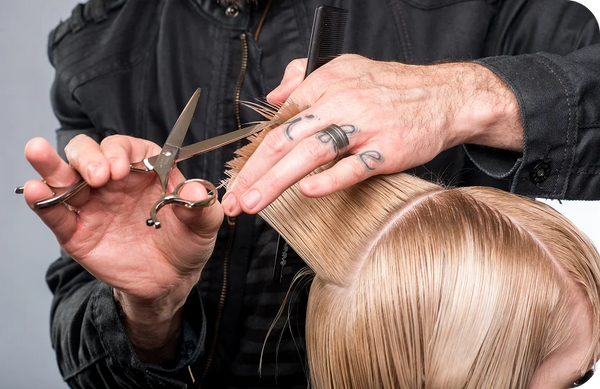
Clients with curly hair are savvy. Chances are, they've tried every taming, moisturizing, and de-frizzing product on the market, and have had more "one and done" salon appointments than they care to admit. Knowing how to cut curly hair correctly is what separates a stylist clients return to from one they don't. It starts with catering to the curl and earning trust.
Curly hair clients are highly informed about their own texture, so listen more than you talk. Take time to learn about their curl pattern, how individual curls interact with each other, and how much shrinkage to expect before you ever pick up your shears. The more precisely you understand the hair, the more the client will trust the result.
Here's how to approach cutting curly hair with consistency and control.
How to Cut Curly Hair: What to Do Before You Pick Up Your Shears
Every curly cut starts before the first section is taken. A thorough consultation tells you what the curl pattern will do once it's dry, not just how it looks wet.
-
Evaluate curl pattern, density, and porosity. Tighter curl patterns shrink more than loose waves, so what looks short wet can land very differently once dry.
-
Use a wide toothed cutting comb. Fine toothed combs stretch the hair and disturb the natural curl pattern, which promotes frizz once the hair dries.
-
Confirm expectations on length and layering before cutting. Curly hair clients often arrive wary of losing length, so walking them through your plan builds the trust that keeps them coming back.
Cutting Techniques for Curly Hair That Preserve Curl Pattern
Cutting curly hair successfully comes down to a few core techniques, applied with control rather than guesswork.
-
Cut with clean, blunt ends. Curly hair needs weight on the ends to hold its curl pattern and definition. Avoid the razor here. Razor cutting thins the ends and creates frizz instead of shape.
-
Avoid short, choppy layers. Many stylists cut too many short layers into curly hair, creating visible ledges in the curl pattern. If layers are part of the plan, keep them long with blunt ends to promote definition rather than breakage in the shape.
-
Take zig-zag sections. Zig-zag partings create a softer, more disconnected line than straight sections, which reads as more natural once the curl pattern falls into place.
-
Cut dry when possible, or check the result dry. Curl shrinkage means a cut that looks even wet can shift significantly once it dries. Always evaluate the final shape on dry, styled curls.
For guests with heavier density who need more aggressive bulk removal, a dedicated weight removal technique may work better than layering alone.
Watch the video below to see Sam demonstrate these cutting tips:

How to Cut Long Curly Hair Without Losing Volume
Extra length adds weight, and that weight can pull the curl pattern down and flatten volume at the root. When cutting long curly hair, keep layering long and strategic rather than removing length from the top.
Blunt, long layers maintain the weight curly hair needs to hold its shape, while still allowing movement through the mid-lengths and ends. If a client wants more lift through the crown, that's a separate conversation about technique and root volume, not about cutting shorter layers into length they want to keep.
How to Style Curly Hair After the Cut
A precise cut is only half the result. Styling naturally curly hair correctly is what makes the cut hold its shape day to day.
-
Keep curls hydrated to minimize expansion. Always apply a leave-in conditioner: Redken Smooth Down Detangler works well for most curl types. If hair is fragile and prone to breakage, use Redken Extreme Anti-Snap to fortify and smooth the cuticle first.
-
Smooth the cuticle on the way down. Avoid rough-drying with a towel or finishing with hot air; cold air closes the cuticle and reduces frizz.
-
Test products in halves. Curly hair clients are often product-heavy. Apply one product to one side of the head and a different product to the other, then let the client compare results before recommending a take-home routine.
-
Apply styling product generously from mid-shaft to ends, where frizz typically shows up first.
-
Use a finger diffuser with airflow pointed down, and avoid touching the hair while it dries, disturbing the cuticle mid-dry is one of the most common causes of frizz. See our full diffuser styling guide for more detail.
-
Finish with a shine serum. Curly hair reflects less light than straight hair by nature, so a serum like Redken Glass 01 adds the shine the texture doesn't produce on its own.
-
To calm an individual curl, wrap a small section around two fingers and set with Redken Vinyl Glam 02.
Daily Maintenance Tips for Curly Hair Clients
Great styling at the chair only lasts until the next wash unless clients keep up the right habits at home. Share these maintenance tips to help preserve curl definition and reduce frizz between salon visits.
-
Sleep on a silk or satin pillowcase. These fabrics don't rough up the cuticle the way cotton does, so curls stay smoother and calmer overnight.
-
Apply a leave-in product like Redken Curl Wise 14 Curl Defining Cream before braiding or twisting hair for bed. Mango butter in the formula tames thick curls, controls volume, and reduces frizz by morning.
-
Use a makeup powder brush misted with Redken Vinyl Glam 02 to smooth the hairline and any flyaways between washes.
-
Recommend washing less frequently. Frequent shampooing causes more expansion in curly hair, which promotes frizz.
Consistent habits like these protect the results of the cut and color service, and reinforce you as the stylist who understands their curl type long after they leave the chair.
Curly Hair Cutting: Frequently Asked Questions
Should you razor cut curly hair?
No. Razor cutting thins the ends of curly hair and disrupts the curl pattern, which increases frizz instead of definition. Blunt cutting with shears preserves the weight curly hair needs to hold its shape.
Does cutting curly hair make it curlier?
Cutting doesn't change the curl pattern, but removing weight can make existing curls more visible. Hair that's weighed down by length or bulk often appears straighter at the ends; once that weight is removed with the right technique, the natural curl pattern shows through more clearly.
How should curly hair be cut?
Curly hair should be cut dry or checked dry, with clean blunt ends rather than razored edges, and with long, blended layers instead of short, choppy ones. Wide-tooth combs and zig-zag sectioning help preserve the natural curl pattern throughout the cut.
What is the best way to cut curly hair?
The most reliable approach is to evaluate curl pattern and shrinkage before cutting, use blunt cutting techniques to preserve weight on the ends, and confirm the final shape once the hair is dry and styled, not while it's still wet.
Cutting curly hair well isn't about a single technique, it's about reading the curl pattern in front of you and adjusting your approach in real time. The more curly textures you work with, the more those adjustments become second nature, and the more curly hair clients will trust you with their next cut.
For an in-depth, zone-by-zone approach to texturizing and cutting curly hair, see How to Texturize & Cut Curly Hair.